Published
21st April 2026

Helium Shortage 5.0

The recent conflict in the Middle East is soon expected to cause the 5th global helium shortage in the past 2 decades, with three of those shortages having occurred in the last 8 years. The precariousness of the global helium supply chain, which is dependent on supply from only a small number of countries is apparent and is likely to affect analytical labs in the coming years. Now is the time for labs to minimize their dependency on helium and to use alternative gases where possible.

Global Helium Shortages

Timeline highlighting helium shortages in 2007, 2012, 2018, 2021 and 2026

The privatisation of the US Federal helium reserve in 2013 caused a significant change to global helium supply. Until 2012, helium was readily available at relatively low prices, with significant reliance on US supply, but the helium stewardship act, passed in 2013, significantly reduced ongoing production of helium in North America, with stored helium sold off in auctions through to 2018. The privatization of US resources led to significant price increases which have affected labs ever since. Data from the Bureau of Land Management (BLM) indicated a 60% price increase for crude helium between 2013-2022 and laboratories have been feeling the lasting effects of this price increase ever since.
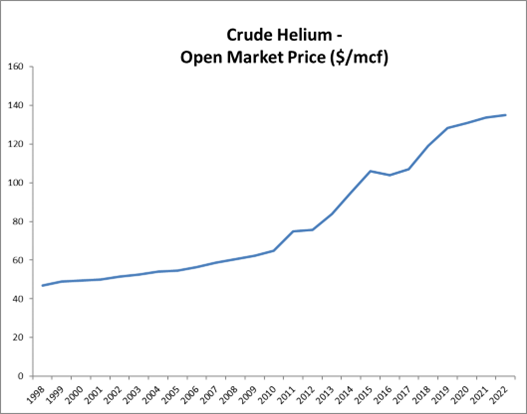
A graph showing the increase in Crude Helium prices from 1998 to 2022 - increasing from just over $40/mcf to just under $140 $/mcf

In addition to price increases, global shortages occurred in 2018-19 following the privatization of the US Federal reserve and the shortage was also attributed to a 2017 trade embargo that impacted supply from Qatar for several weeks. The following global helium shortage in 2021 was caused by a 4-month maintenance outage that affected supply of helium in North America.

Fast forward to 2026 and we stand on the verge of another global shortage of helium, following the impact of the conflict in the Middle East on Qatar’s Ras Laffan refinery and the halt of shipping via the Strait of Hormuz.

Damage sustained by the Ras Laffan refinery is estimated to have reduced its capacity by around 17%, which, based on the 36% global contribution by Qatar in 2025 could translate to a reduction in global helium supply by 5%, with the estimated timeline for rebuilding the damaged infrastructure currently 1-5 years. The closure of the strait of Hormuz in early 2026 is also likely to lead to an acute disruption to global helium supplies.
Need help finding a solution?

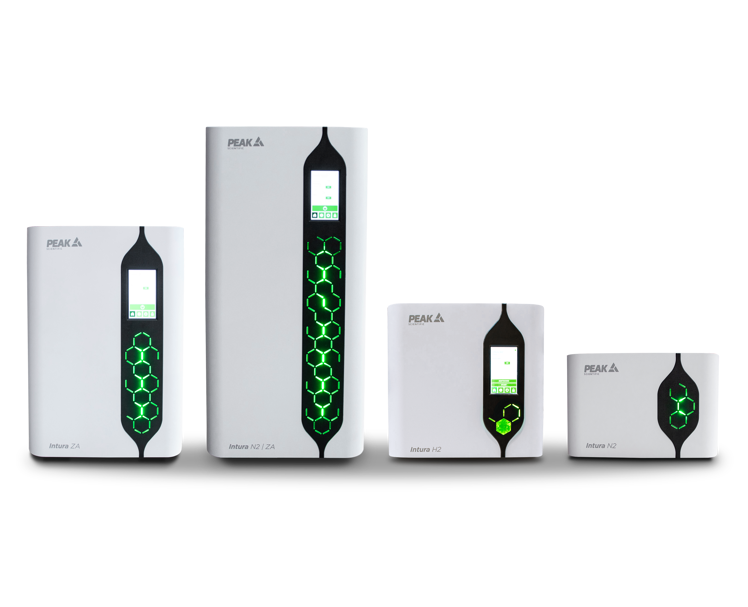
Discover our range of hydrogen generators, nitrogen generators and zero air generators for you GC

The wider impact on applications

Helium is used in a variety of applications; analytical, engineering, lab, science, and specialty gases (22%); controlled atmospheres, fiber optics, and semiconductors (17%); lifting gas (17%); magnetic resonance imaging (15%); aerospace (9%); welding (8%); diving (5%); leak detection (5%); and other applications (2%). Analytical labs are significantly reliant on global supplies and are therefore at greater risk of being more acutely affected by helium shortage as was seen previously in 2018 and 2021.

To avoid the impact of helium shortages as well as increased delivery costs related to increased gasoline prices, there has never been a better time for labs to adopt alternatives to helium in applications for which helium is non-essential. In gas chromatography (GC), helium, nitrogen and hydrogen are most commonly used as carrier gases with helium being the most widely used. Gas chromatographs from most vendors are now ‘hydrogen ready’ and there is a lot of information available to help GC users with method conversion.

An increasing number of methods across multiple sectors are now compatible with hydrogen carrier gas and due to a significant improvement in GC & GC-MS technology, loss of sensitivity in GC-MS analysis is less of a concern. By switching methods to hydrogen or nitrogen where helium is not critical to the method’s performance, helium can be conserved for use in essential applications or methods, reducing the impact of gas supply issues on lab operations.

Hydrogen has received particular focus as an alternative to helium for carrier gas, since it can improve chromatography at higher linear velocities facilitating increased sample throughput without compromising on sample quality. In addition, GC-MS instruments are now better equipped for use with H2 carrier gas, with improved sensitivity when using hydrogen and gas switching technology available for added safety.

Additional benefits of using hydrogen carrier gas are reduced frequency of ion source cleaning and potential for longer life of columns and other consumables. When supplying gas from a hydrogen generator, gas traps should also last longer.

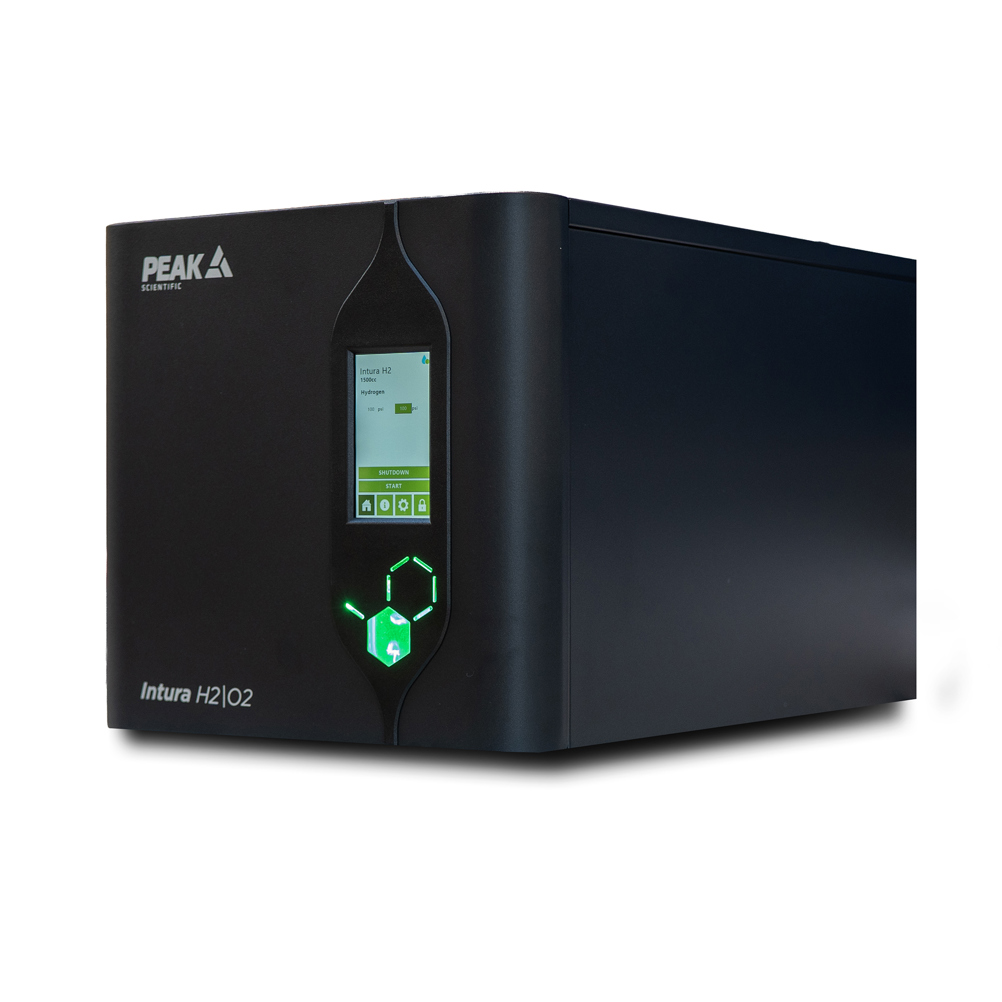
Intura H2O2 - a black chassis with a large touch screen and green illuminated hexagons

The major manufacturers of GC have developed several products to either reduce helium consumption, or to allow customers to use alternative carrier gases.

Agilent offer the HydroInert ion source which helps overcome some of the losses in sensitivity observed when switching from helium to hydrogen carrier gas for GC-MS analysis. This followed the Agilent helium conservation module which allows the GC-MS to switch to nitrogen when in standby.  

Shimadzu have promoted H2 carrier gas with their GC and GC-MS systems for a number of years and have the new Nexis GC 2060 with its multi-mode FID detector, which makes it possible to support both carrier gas and detector gas with a single gas generator.

Thermo Fisher have tested all of their GC products for hydrogen compatibility as well as offering a split/splitless inlet which uses nitrogen for all purge and split flows, meaning that helium is used only for column flow.

Perkin Elmer have also recently updated their GC products which are compatible with hydrogen and SCION instruments are also equipped for alternative carrier gas use with their GCs.

Front-end applications such as Markes International’s TD100-xr can also use hydrogen carrier gas, expanding the range of analyses even further.

Take control of your GC gas

Contact us today to take control of you lab gas supply with your own in-house gas generator for your GC

A safe alternative to helium

Despite the potential benefits of hydrogen carrier gas and its widespread use for FID detectors, there are still concerns about its safety when used as carrier gas. Hydrogen has a lower explosive limit of 4.1% in air, however, being less viscous than helium, it is even quicker to escape and unless a large quantity is rapidly released into the environment, the danger of reaching the LEL, even in the GC oven is very low. 

PEAK’s Intura H2 generators produce gas on-demand and contain a small volume at relatively low pressure meaning that gas can be safely produced in the lab without any of the safety concerns associated with gas cylinders. Intura has also been tested to ensure that if there was a leak within the generator that it poses no risk of fire or explosion making it the safest way to supply hydrogen in the laboratory. 

Helium will likely remain necessary for GC and GC-MS for the foreseeable future, but rising prices and growing supply challenges will keep pressuring laboratories to reduce reliance on it. Where feasible, labs should consider switching to alternative carrier gases, to avoid the multiple pitfalls of cylinder usage.

The PEAK Scientific Intura generators can supply ultra-high purity nitrogen and hydrogen for carrier and detector gases, with zero air available for flame support, potentially eliminating the need for cylinders altogether.

Female Scientist left

Need help finding a solution?

We are experts in our field - with over 20 years' worth of experience in pioneering cutting-edge gas generator technology, we have worked closely with leading instrument manufacturers to help you find a solution tailored to your specific needs.

Contact us

Subscribe to our newsletter for regular product updates, news and insights.